Lucky Fashion: A Versatile Brush Font for Modern Web Design
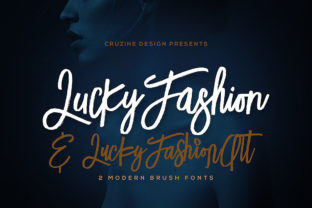
As a web designer, I'm always on the lookout for fonts that strike the perfect balance between style and usability. Lucky Fashion is one such font—handwritten yet refined, it brings an artistic flair to digital spaces without compromising readability. With its dancing baseline and two variations, this display font offers just the right amount of character to elevate headers, logos, and brand-focused content in a variety of projects.
Visual Characteristics and Personality
Lucky Fashion belongs to the script font family but with a unique twist. Its brush-stroke texture gives it a dynamic, almost hand-painted feel, while the structured forms maintain enough clarity to work well in professional environments. The dancing baseline adds movement, making it ideal for creative or edgy designs where you want to stand out visually. This typeface exudes personality—grunge-inspired yet approachable, which makes it suitable for both artistic portfolios and commercial websites alike.
Using Lucky Fashion in Web Design
In website headers and hero sections, Lucky Fashion can create immediate visual impact. It's especially effective when used sparingly, such as for a bold headline or a short tagline. For landing pages, consider using it for key selling points or call-to-action phrases like "Start Your Free Trial" or "Join the Movement." The font’s expressive nature works well for boutique online stores looking to convey a handmade or artisanal vibe, and similarly, it enhances coaching websites by adding warmth and authenticity to personal branding elements.
On product landing pages, Lucky Fashion can be used to highlight core benefits or unique value propositions. It fits beautifully into course sales pages for titles and section headings, helping to create a sense of energy and creativity. For blog headers and social media graphics, it introduces a fresh, modern touch that aligns with contemporary design trends.
Where to Use Lucky Fashion Effectively
- Hero Titles: Ideal for attention-grabbing headlines in high-impact areas.
- Section Headings: Adds a stylish break between content blocks.
- Logo Text: Offers a unique identity with its handwritten charm.
- Buttons & CTA Areas: Works best for large, prominent buttons rather than small interactive elements.
- Decorative Accents: Perfect for subtle touches like quote highlights or decorative labels.
- Banners & Image Overlays: Enhances visual storytelling with a blend of artistry and legibility.
Readability and Visual Hierarchy
While Lucky Fashion is primarily a display font, its two variations provide flexibility. The more stylized version is great for larger sizes and less frequent use, whereas the slightly tamed variation can support mid-sized text elements like subheadings or short captions. When designing for mobile screens, ensure that any text using Lucky Fashion remains above 20px to maintain legibility. On smaller buttons or dense layouts, avoid using it in body copy or navigation menus, as its brush stroke details may become hard to read at lower resolutions.
Use Lucky Fashion to anchor your visual hierarchy. Because of its expressive nature, it naturally draws attention, so it should be reserved for top-level headers and key messaging. Pairing it with a clean sans serif or minimalist serif font for supporting text ensures a balanced layout that prioritizes scannability and user engagement. This contrast also reinforces brand tone—combining creativity with professionalism.
Responsive Typography Tips
- For dark backgrounds, choose lighter weights or increase contrast with white or pastel colors.
- On light or bright backgrounds, darker shades will help the font pop and stay readable.
- Ensure proper line height and letter spacing to prevent overlapping strokes in multi-line text.
- Test how the font renders across different devices and browsers to guarantee consistent appearance.
Font Pairing Strategies
One of the most important aspects of typography is font pairing. Lucky Fashion pairs exceptionally well with geometric sans serifs like Montserrat or Poppins, creating a strong visual contrast that guides users through the content. For editorial-style sites or blogs, a softer serif font such as Merriweather or Lora complements its organic feel, enhancing the overall narrative quality of the design.
If you're aiming for a more experimental look, try combining Lucky Fashion with another script font in a complementary style for layered headlines. However, remember to keep these pairings limited to decorative accents rather than primary text to preserve clarity and accessibility.
Brand Identity and Tone
Fonts play a critical role in shaping a brand’s tone. Lucky Fashion is particularly useful for brands that want to express creativity, authenticity, or a rebellious edge. Whether you're designing a fashion-forward portfolio site or a lifestyle blog, this typeface helps establish a visual voice that resonates with target audiences.
When integrated into a brand kit, Lucky Fashion can serve as the signature font for logo design, promotional banners, and social media assets. Its versatility across file formats and multilingual support (if available) ensures that it can adapt to global projects and diverse linguistic needs. If the font supports webfont formats like WOFF and WOFF2, it’s a solid choice for responsive websites and SaaS platforms that prioritize performance and cross-browser compatibility.
Real-World Applications
- Creative Portfolio Sites: Showcase your work with a header that feels personal and expressive.
- Boutique Online Stores: Elevate product names and banners to reflect a unique, artisanal brand.
- Coaching Websites: Build trust and connection with a warm, human-centric typeface.
- Course Sales Pages: Create excitement around course titles and features.
- Digital Brand Kits: Define your brand’s typographic identity with a premium font that stands apart.
Commercial Use and Licensing
Before integrating Lucky Fashion into your client projects, online store, or digital templates, always verify the licensing terms. Many brush fonts require extended licenses for commercial use, especially when applied to logos, branding materials, or app interfaces. Ensure that your chosen font package includes permissions for all intended applications—this avoids legal complications and protects your clients’ investments in their digital assets.
If you're building a template or theme, check if the font is available via a reliable webfont service. This can simplify implementation and improve page load times, especially for high-traffic sites. Always confirm the number of alternates, weights, and supported languages to meet the needs of your audience and project scope.
Designing with Purpose
Typography isn’t just about aesthetics—it's about function. Lucky Fashion allows designers to inject emotion into digital experiences while maintaining the structure needed for effective communication. By understanding where and how to apply it, you can enhance user engagement and reinforce brand personality across every touchpoint.
Whether you're crafting a banner for a new product launch or designing a custom logo for a startup, Lucky Fashion brings a level of sophistication that’s rare in handwritten styles. Its ability to adapt to various contexts—from grunge-inspired visuals to elegant brand kits—makes it a valuable addition to any web designer’s toolkit.